







Search Results for: flow rate stability
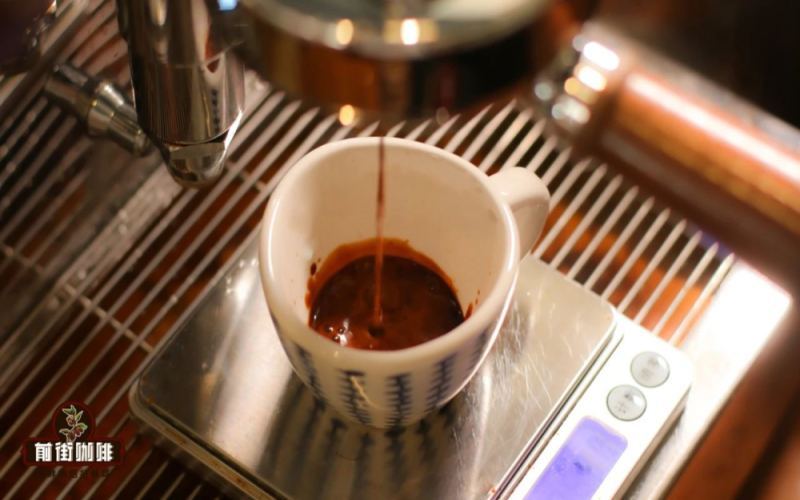
Exploring the Root Causes of Espresso Extraction Flow Rate Variation: The Impact of Grinder Hopper Pressure on Coffee Flavor Stability
In the daily operation of a coffee shop, many baristas have encountered this troubling issue: an espresso extraction recipe that was just calibrated in the morning gradually speeds up as more shots are pulled, with the time running several seconds shorter than the preset parameters. This unstable extraction phenomenon is often closely related to pressure changes inside the bean hopper of an espresso grinder. Front Street Coffee has observed in daily practice that the amount of coffee beans piled in the hopper directly affects the uniformity of grind particle size, which in turn changes the extraction rhythm and flavor performance of espresso. This article will take an in-depth look at how hopper pressure affects grind quality, explain the underlying logic behind fluctuations in extraction flow rate, and share practical adjustment ideas for stable output, helping coffee enthusiasts and professionals better understand variable control in espresso extraction. [more…]
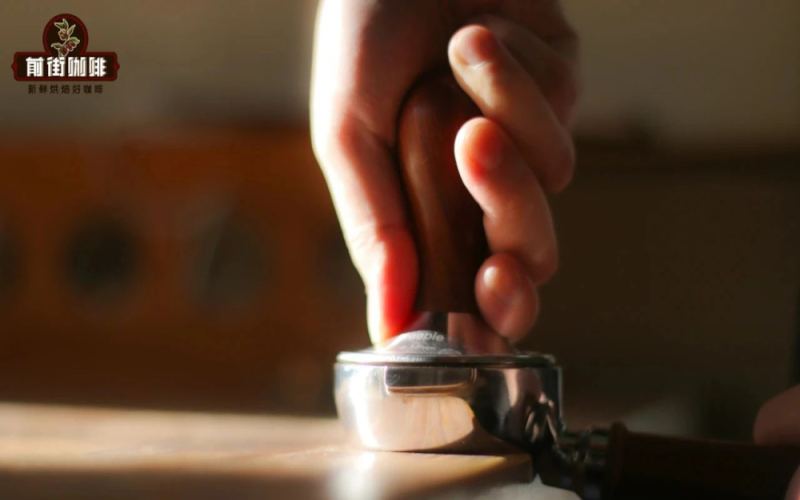
Espresso Tamping Techniques Explained: Pressure Control, Distribution vs. Tamping, and Impact on Extraction Stability
In the process of making espresso, tamping is one of the key steps that determines the success or failure of extraction. Tamping too lightly will cause the flow rate to be too fast and the flavor to be weak; tamping too heavily may make the coffee bitter and hard to swallow. In this article, Front Street Coffee will systematically explain the true purpose of tamping, the difference between distribution and tamping, the correct way to use a tamper, and the actual impact of tamping force on the extraction result. Through comparative experiments, we will guide you to understand the significant differences in flow rate and flavor between espresso extracted without tamping and with tamping, helping coffee lovers master more stable and more professional barista techniques. [more…]
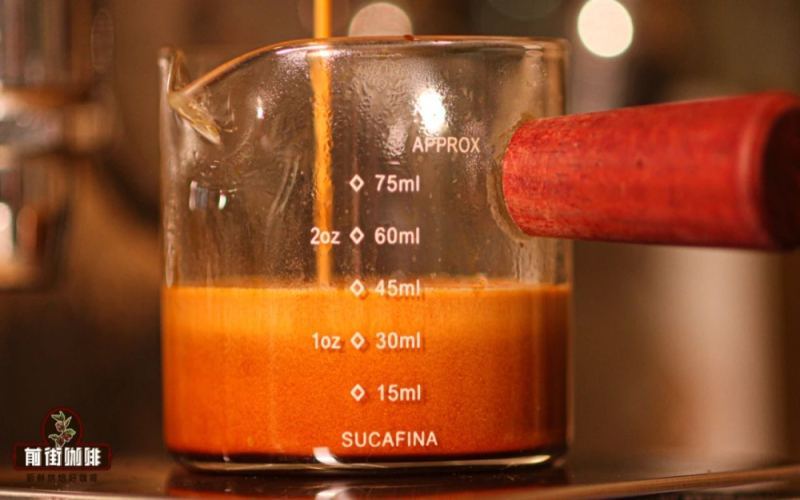
A Guide to Espresso Extraction Time and Pressure Adjustment: Complete Parameter Settings from Dose and Ratio to Flow Rate
Espresso extraction has never been something that can be solved with a fixed formula. The freshness of the coffee beans, the grind size, the brand and model of the espresso machine, the extraction pressure, and the stability of the water temperature—every one of these variables will cause the final cup's flavor to deviate. Precisely for this reason, in its educational articles Front Street Coffee rarely gives an exact extraction time figure the way it does for pour-over. This article will start from the dimensions of dose, coffee-to-water ratio, extraction time, flow rate, pressure, and water temperature, systematically sorting out how to customize a suitable espresso extraction plan for the blend in your hands, and will also introduce the methods for measuring and calculating espresso concentration and extraction yield, helping you find your own cup of good coffee within the Golden Cup reference range. [more…]
Filter Cup Buying Guide: How Material, Flow Rate, Shape, and Functional Design Affect Pour-Over Coffee Flavor
The popularity of pour-over coffee is inseparable from the dripper, a key piece of equipment. From Mrs. Melitta's accidental experiment with blotting paper and a copper bowl to today's dazzling array of drippers, choosing a suitable one has become a source of confusion for many coffee lovers. Front Street Coffee starts from four dimensions—material, flow rate, appearance design, and functional design—and, combining hands-on testing data with in-store experience, analyzes the specific effects of different drippers on extraction temperature, water flow speed, and coffee flavor layers. Whether you seek stability and beginner-friendliness or wish to finely control the direction of flavor, this article will provide you with practical purchasing ideas and references. [more…]
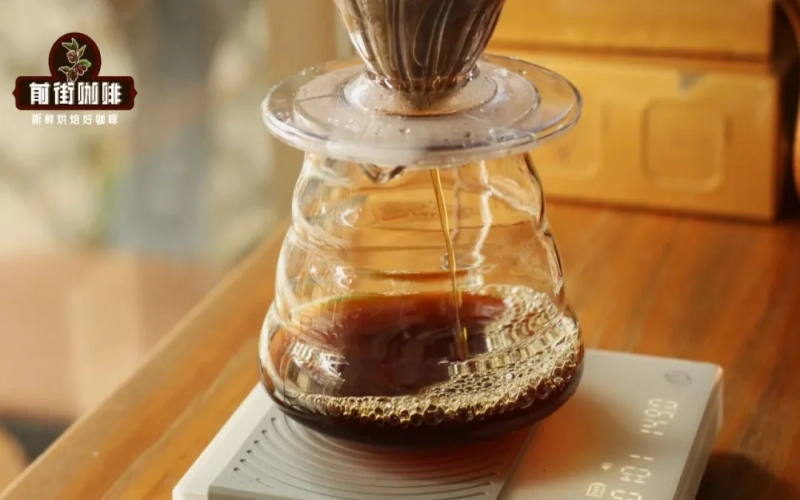
The Complete Guide to Pour-Over Coffee Water Pouring: Analyzing the Core Techniques of Position, Path, Height, and Flow Rate
Many coffee enthusiasts who practice pour-over at home often struggle with inconsistent flavor even when their parameters match those used in cafés. The root cause usually lies in the water stream not being stable enough during pouring. In fact, the position, path, height, and size of the pour all directly affect the extraction. SCA experimental data shows that the higher the stability of the water stream, the higher the extraction uniformity. This article draws on the hands-on experience of Front Street cafés to systematically explain how to stabilize the brewing of a delicious pour-over coffee through precise control of pouring. Whether you are a beginner or an advanced player, mastering these pouring essentials can take your coffee quality to the next level. [more…]
A Complete Analysis of Pour-Over Coffee Water Pouring: How Position, Path, Height, and Flow Rate Affect Extraction
Many friends who are teaching themselves pour-over coffee at home often run into a problem: even when the parameters match those recommended by Front Street stores, the coffee they brew comes out inconsistent—sometimes good, sometimes bad. The reason is mostly that the water flow is not stable enough during pouring. The position, path, height, and size of the pour all directly affect the evenness of extraction and the flavor expression of the coffee. SCA experimental data shows that the higher the stability of the water flow, the higher the extraction evenness. Starting from the brewing practice with Front Street’s Little Tomato coffee beans, this article systematically analyzes how the four major elements of pouring affect extraction, and gives specific operational suggestions to help you consistently brew a delicious cup of pour-over coffee. [more…]

A Complete Guide to Espresso Extraction Parameters: Customizing Dose, Ratio, Time, and Grind Size
Espresso extraction is not something that can be mastered with a fixed formula. The freshness of the coffee beans, the grind size, the brand and model of the espresso machine, the extraction pressure, and the stability of the water temperature all cause the same bean to present completely different flavors in different hands. This article starts from the dimensions of dose, brew ratio, extraction time, flow rate, pressure, and water temperature, systematically explaining how to customize a suitable espresso extraction plan for the blend of coffee beans you have on hand. It also introduces how to troubleshoot and adjust one by one when the flow rate is abnormal, and how to use a concentration tester to calculate the extraction yield and determine whether it falls within the golden cup range. The article uses the "Warm Sun" blend from Front Street Coffee as an example, providing specific parameter references, and is suitable for coffee enthusiasts who wish to refine their espresso skills. [more…]
A Complete Beginner's Guide to Pour-Over Coffee: A Hands-On Tutorial from Stance and Water Flow to the Extraction Process
Pour-over coffee, with its simple operation, easy-to-manage equipment, and ability to fully showcase coffee's vibrant aromas and clean taste, has become the preferred brewing method for many enthusiasts. However, behind the seemingly simple act of pouring water lie strict requirements for details such as water temperature, extraction time, water flow rate, and blooming rhythm. This article systematically outlines the fundamental operating standards of pour-over coffee—from stance adjustment, kettle-holding techniques, and the three-part water flow practice to the complete brewing process—helping beginners build a solid foundation and gradually achieve stable, gentle extraction. [more…]
The Beginner's Must-Learn One-Pour Center-Pour Method: Yirgacheffe Red Honey Process V60 Brewing Parameters and Flavor Analysis
Pour-over coffee may seem complicated, but there is actually a low-effort yet stable extraction method—the single-pour center pour. It doesn't require segmented circling; simply keep pouring continuously after the bloom, making it especially suitable for those new to pour-over. This article uses the Yirgacheffe Red Honey Red Cherry recommended by Front Street Coffee as an example, first introducing the classification of honey processing and the proportion of pectin retained, then using the Hario V60 dripper to conduct a comparative brewing of two different grind sizes: a coarse grind BG-7K paired with a longer pouring time, and a fine grind BG-6M paired with a shorter pouring time, to experience the flavor differences under the same coffee-to-water ratio and water temperature. The article also explains in detail how the V60's rib structure affects flow rate, and why pouring stability is far more important than fancy techniques. [more…]

A Complete Guide to Water Control Techniques in Pour-Over Coffee: Systematic Training from Flow Rate and Pouring Height to Circular Pouring Technique
The flavor profile of pour-over coffee depends to a large extent on the stability of the pouring. Many enthusiasts plan their brewing parameters in advance, but once they start, the water flow becomes difficult to control, and the final result is left to chance. Drawing on Front Street's practical experience, this article systematically lays out training methods for the fundamental skill of water control, including how to choose and hold a pour-over kettle, the key points for controlling a vertical stream, reference ranges for flow rate and pouring height, and the correct path for circular pouring along with common mistakes. Through progressive practice, it helps you improve your feel for starting and stopping the pour during actual brewing, making extraction more even and the flavor closer to the ideal. [more…]
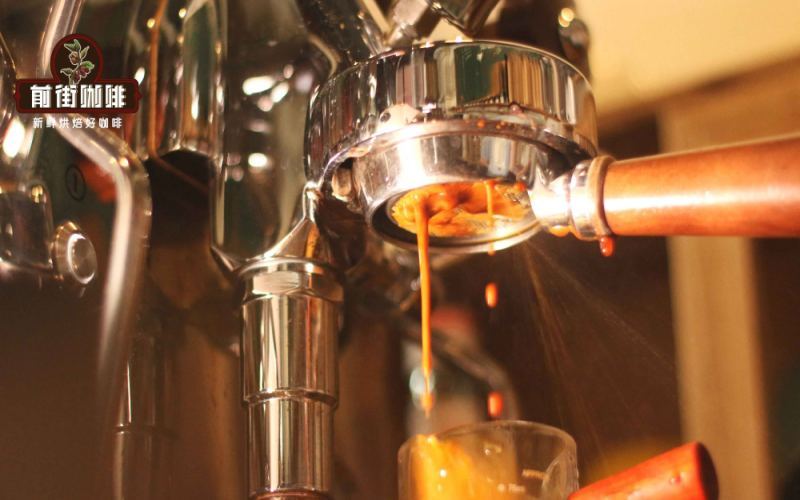
Why Does Espresso Extraction Taste Burnt and Bitter? Analyzing the Causes of Channeling and Practical Solutions
When pulling espresso, have you ever encountered a flow rate that alternates between fast and slow, crema that looks pale, and coffee that tastes scorched and bitter with a thin body? This is very likely channeling in the puck. This article will analyze how to identify perforation, the three core causes (uneven distribution, insufficient dose, and a clogged dispersion screen), and provide corresponding adjustment solutions. It will also explain how coffee bean roast level affects extraction stability, and why the medium-dark espresso blends commonly used by coffee shops are better suited to pursuing consistent output. If you enjoy rich crema, you can look into classic recipes like Front Street. Commercial Blend. [more…]
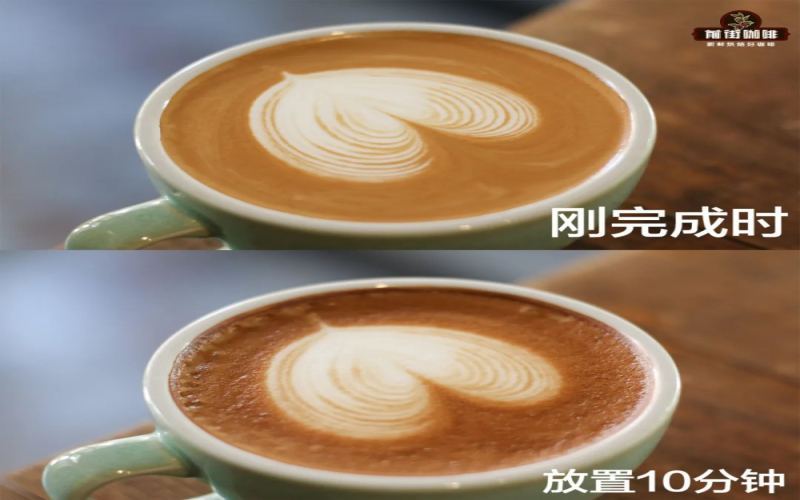
How long before latte milk foam dissipates? From milk foam and crema to integration, analyzing the key factors affecting stability
The milk foam on the surface of a latte begins to slowly dissipate from the moment it is made, but the rate of dissipation varies enormously between lattes of different quality—some develop large bubbles within two minutes, while others can hold out for over fifteen minutes. Foam stability is governed by three core factors: the quality of the foam itself, the state of the espresso crema, and the degree of integration between the foam and the coffee. In addition, details such as cup temperature and residual water droplets on the cup wall can quietly affect the pace of dissipation. This article breaks down these variables one by one to help you understand how to make a latte with lasting foam and a stable structure. [more…]
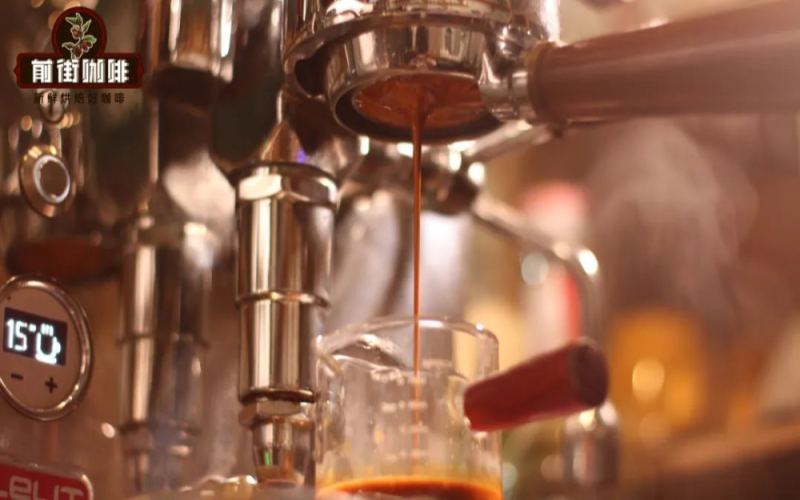
Analysis of Three Major Causes of Abnormal Espresso Flow Rate: Grind Retention Differences, Burr Temperature Rise Effects, and Boiler Load Issues
Same beans, same grind setting and dose—so why does the espresso extraction time keep swinging between fast and slow? Many coffee lovers have run into this puzzle. Drawing on Front Street Coffee's hands-on experience, this article systematically breaks down three common causes of extraction differences: the grind discrepancy between tamping and not tamping, the temperature rise effect after the burrs run continuously, and the load problem when the espresso machine's boiler is extracting and steaming milk at the same time. Understanding these variables will help you control extraction stability more precisely in your daily brewing. [more…]
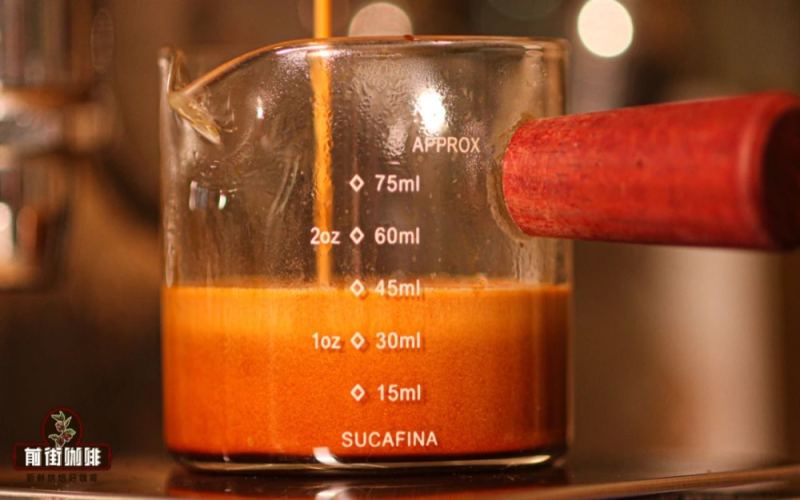
Espresso Extraction Yield | What Is Golden Cup Extraction? What Factors Affect the Flavor of Espresso Extraction? How Is Coffee Extraction Yield Calculated?
For more specialty coffee knowledge, please follow our WeChat public account: Front Street Coffee (FrontStreet Coffee). Those who have read Front Street's popular science articles may have noticed that Front Street rarely specifies exact extraction times the way it does when explaining pour-over coffee, because espresso extraction is about more than just [more…]
Pour-Over Coffee: One-Pour vs. Three-Pour Comparison — A Comprehensive Analysis of Steps, Ratios, and Brewing Methods
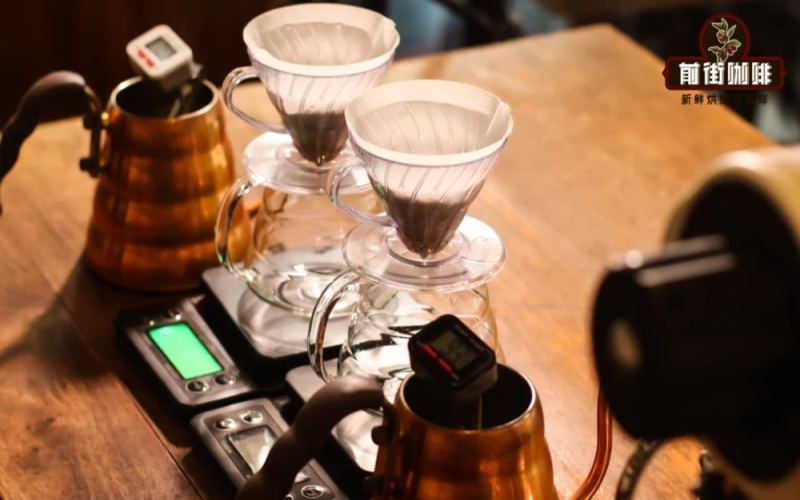
One of the charms of pour-over coffee lies in using different pouring techniques to bring out the diverse flavors of the same bean. Currently, the two most widely used methods—single-pour and three-stage—each have their own followers. Single-pour involves completing the target water volume in one go after blooming; it is simple to operate but extremely demanding on water flow stability and grind size. The three-stage method divides pouring into three phases, enhancing layering and compatibility through staged extraction. Using 15 grams of coffee and a 1:15 coffee-to-water ratio as an example, this article breaks down in detail the specific steps, pouring timing, and parameter requirements of both methods, and combines the brewing performance of Front Street Coffee Huakui and Colombia Huila Washed Caturra to help you find a brewing rhythm that suits you. [more…]

Latte Art Coffee Ratio Guide: A Full Breakdown of Espresso Dosage, Milk Frothing, and Pitcher Handling Techniques
To make a beautiful and delicious latte art, having good equipment alone is not enough. The choice of ingredients, espresso extraction ratio, milk foam condition, and pitcher-holding technique all directly affect the final result. Based on Front Street's hands-on experience, this article explains in detail the matching ratio of espresso to milk when making a latte, recommends espresso blend beans suitable for latte art, and breaks down the principles of integration and pattern formation in latte art. At the same time, addressing the common pitcher-holding posture problems of beginners, it provides two practical gripping suggestions to help you develop stable muscle memory through repeated practice, gradually improving your success rate in latte art and the fineness of your patterns. [more…]
A Complete Guide to Espresso Extraction Parameters: A Practical Guide to Dose, Ratio, Time, and Grind Size
To make a well-balanced espresso at home, relying on a fixed recipe alone is far from enough. Different coffee machines, different bean conditions, and even daily climate changes can all cause variations in the extraction result. This article systematically explains how to customize suitable espresso parameters for the blend beans you have on hand, from six dimensions: dose, brew ratio, extraction time, flow rate, pressure, and water temperature. At the same time, for the common problems of overly fast or overly slow flow, it provides troubleshooting adjustment ideas one by one, and introduces how to calculate the extraction yield through concentration testing to determine whether it falls within the golden cup range. The article recommends two espresso beans suitable for beginners to practice with—Front Street Classic Blend and Front Street Strawberry Candy Espresso—to help you find the ideal flavor faster through practice. [more…]
When to Start Drinking Espresso Beans: Roast Date, Degassing, and Storage Rhythm
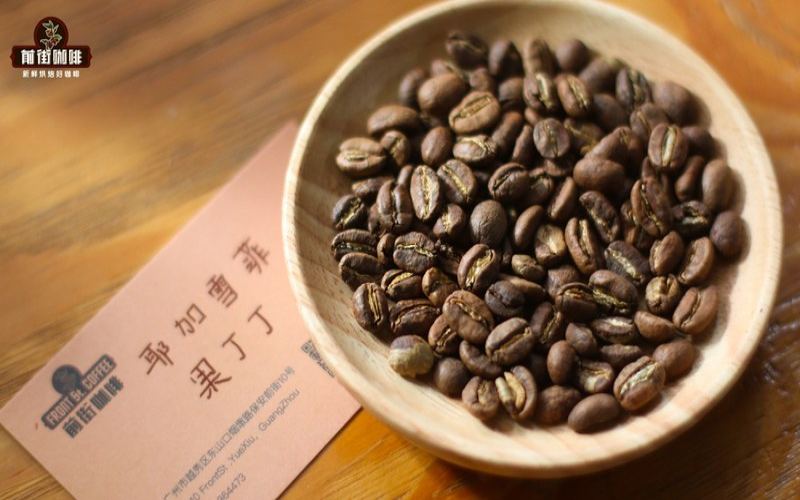
After coffee beans leave the roaster, their flavor does not settle immediately. The beans continue to release carbon dioxide; when freshly roasted beans are used to make espresso, the puck is easily disturbed by the gas, making flow rate and extraction uniformity harder to stabilize. So-called freshness does not mean the closer to the roasting moment the better, but rather allowing aroma liveliness, degassing state, and [more…]
Espresso Blend Bean Selection and Espresso Extraction Parameter Adjustment: A Practical Analysis from Roast Level to Grind Dose
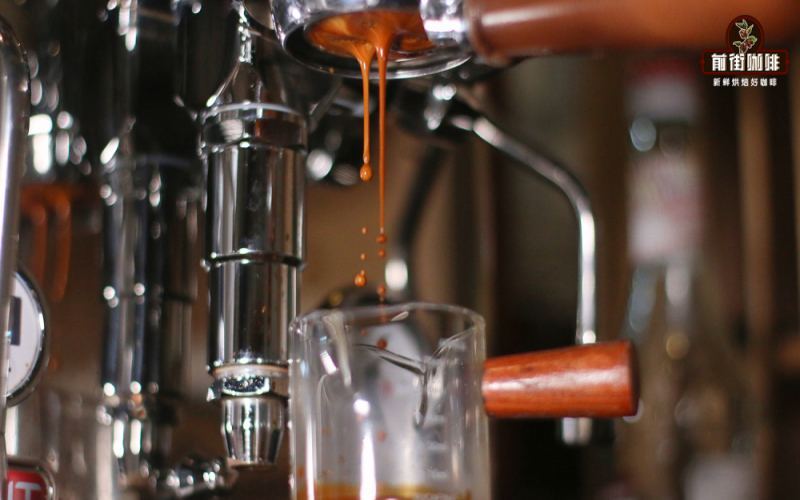
Espresso is a precious beverage that Italy has gifted to the world. It may seem to require only a few dozen seconds of extraction, yet behind it lies a precise coordination of a series of parameters including grind size, water temperature, dose, and liquid yield. Starting from the freshness and roast level of coffee beans, this article explains how different roast levels affect extraction stability, and introduces the flavor characteristics and suitable scenarios of several Front Street espresso blends. It then provides an in-depth analysis of how brew ratio, dose adjustment, grind coarseness, and humidity changes affect flow rate and flavor. Combined with real parameter-tuning cases from Front Street Coffee shops, it demonstrates how to achieve an ideal balance among aroma, acidity, and body through fine-tuning of dose and grind size. [more…]
Can an ordinary electric kettle replace a pour-over kettle? Practical methods and parameters for brewing good coffee with a home kettle
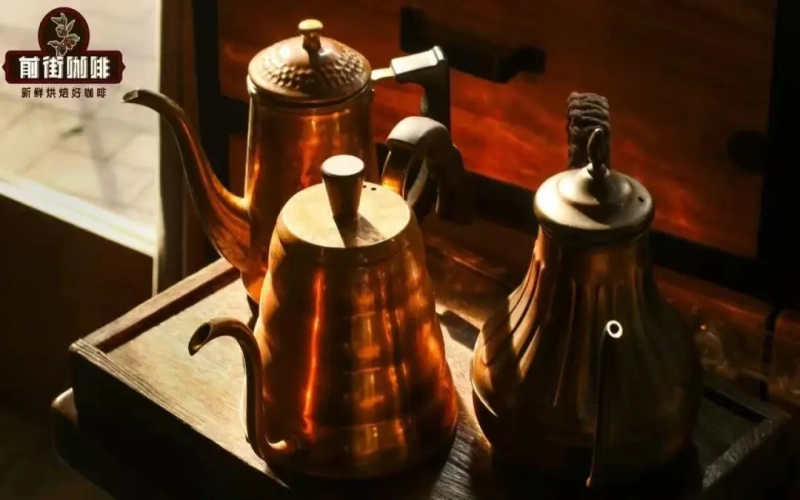
Professional pour-over kettles often cost two to three hundred yuan, which puts many coffee enthusiasts off. In fact, as long as you master the correct extraction parameters and pouring strategy, an ordinary electric kettle at home can also brew a delicious cup of pour-over coffee. This article first analyzes the inherent shortcomings of ordinary electric kettles in terms of spout design and capacity, then offers two practical solutions—filling the kettle to stabilize its center of gravity and control the flow, or using staged pouring to lower the difficulty. It then uses Front Street Yirgacheffe·Gudgud as an example to fully share parameters such as coffee dose, ratio, grind size, and water temperature, and demonstrates step by step the entire process of blooming, staged pouring, and circular extraction, helping you consistently produce a clean, solid single-origin coffee even with the most ordinary equipment. [more…]